
At tulåh, Panchakarma is delivered through a carefully personalised and clinically informed
approach. Ayurvedic diagnostic methods are combined with modern clinical evaluation and
functional diagnostics, allowing each programme to be adapted to the individual physiology
and current state of health.
The result is a therapeutic process that works not only at the level of detoxification, but at
the deeper level of metabolic regulation, tissue health and physiological balance.
While Panchakarma remains rooted in classical Ayurvedic medicine, the way it is delivered at
tulåh reflects a broader integrative model of care.
Each programme begins with a
detailed consultation to
understand constitution,
health history and current
physiological patterns.
Traditional Ayurvedic
principles are complemented
by modern clinical insight and
diagnostic evaluation.
Programmes may be
supported by disciplines such
as therapeutic movement,
physiotherapy, breathwork,
sound healing and
personalised nutrition.
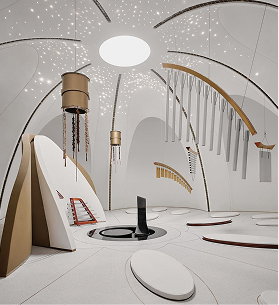
A sanctuary for recovery
The architecture, landscape
and daily rhythms of tulåh
create an environment that
supports deep restoration.
The word Panchakarma refers to five classical therapeutic actions designed to support detoxification and purification
while restoring balance across the body’s systems.
| Vamana | cleansing of the upper digestive system |
| Virechana | therapeutic elimination supporting gastrointestinal detoxification |
| Basti | medicated herbal enemas that cleanse and nourish the colon |
| Nasya | nasal therapy supporting respiratory and neurological balance |
| Raktamokshana | specialised blood purification therapy used in selected cases |
Panchakarma unfolds through a structured therapeutic process designed to prepare the body, facilitate purification and
support recovery.
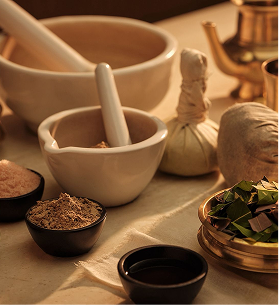
Oil therapies, herbal treatments and
supportive practices prepare the tissues
and mobilise toxins.
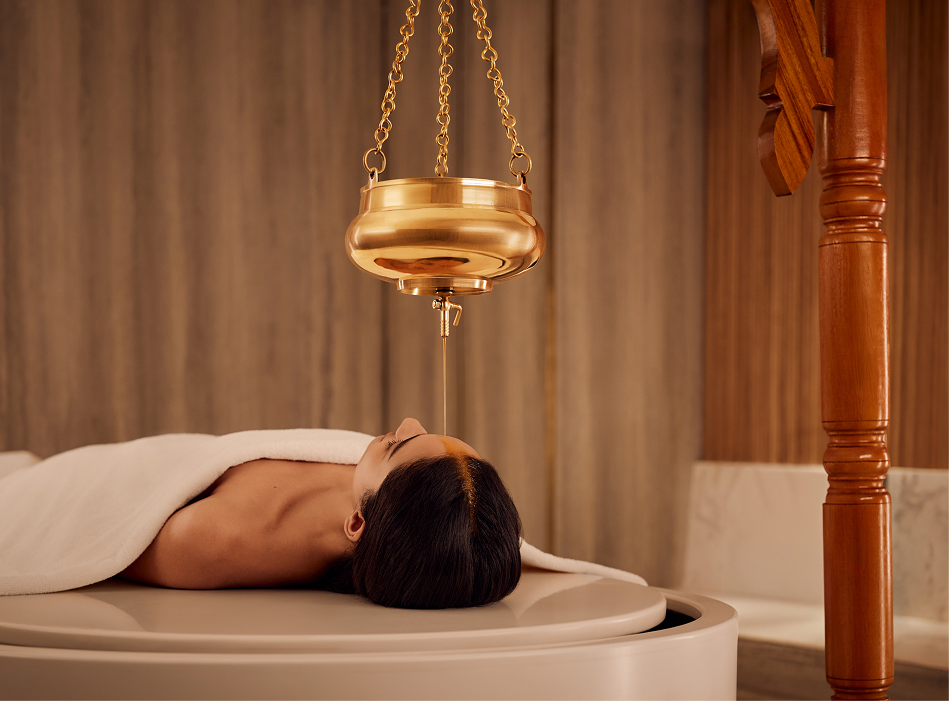
Targeted therapies prescribed by
Ayurvedic physicians support
detoxification and systemic balance.
Herbal therapies, nutrition and restorative
treatments help rebuild vitality and
resilience.
Throughout the programme, physicians closely monitor the body’s response to treatment and adjust
therapies when needed to ensure safety and effectiveness.

When delivered with care and clinical oversight, Panchakarma may support:
| improved digestion and metabolic balance | improved sleep and stress response |
| reduced inflammatory burden | increased energy and mental clarity |
| enhanced immune resilience | restoration of metabolic and systemic balance |
Panchakarma may be recommended for individuals experiencing signs of metabolic congestion, inflammatory imbalance,
or reduced physiological resilience.
It may be particularly supportive for those experiencing:
| persistent digestive or metabolic disturbances | stress-related nervous system dysregulation |
| chronic fatigue or reduced vitality | the cumulative effects of modern lifestyle and environmental exposure |
| inflammatory conditions | restoration of metabolic and systemic balance |
Each guest undergoes a detailed clinical consultation to determine whether Panchakarma is appropriate and how the
programme should be structured. In some cases, physicians may recommend preparatory therapies before beginning the
cleansing phase.
Panchakarma is delivered as a residential programme that allows the therapeutic process to unfold gradually.
| 14 days | deeper purification and systemic balance |
| 21 days | the classical Panchakarma journey including rejuvenation |
Your physician will recommend the most appropriate duration based on your individual health profile.
“After my 21-day clinical wellness panchakarma journey at tulåh, my first real break, I now sleep better, eat with
intention, and live with clarity. The integrated approach of Vedanta, clinical yoga, personalised nutrition, and
mindful habits helped me recalibrate and slow down. For someone always fast-paced, it transformed my
productivity, relationships, and decision-making. This is not about adding years, but living each day sharper,
calmer, and more purposeful.”
Dinesh Paliwal,
Partner at KKR & Director Nestle